
How Much Does Air Conditioning Cost to Run in the UK?
Ask most people what air conditioning costs to run and you get a wince, then a guess, and the guess is usually wildly high. A fiver a night. A tenner in a heatwave. Enough to leave it switched off and lie there sweating instead.
For one room, the real figure is somewhere around 7p to 20p an hour. As air conditioning installers in Abingdon and throughout Oxfordshire, this is the question we are asked more than any other, so here is the honest answer, and more usefully, how to work it out for your own home.
The short answer
A modern inverter split system cooling a single room typically costs around 7p to 20p an hour while it is running. Cooling a bedroom overnight lands roughly between 60p and £1.60. A whole summer of keeping one room comfortable usually falls between £30 and £90.
Those are guide figures rather than promises. Your tariff, your room and the temperature you choose all move them, which is why the sum below is more useful than any range we can give you.
Work it out for your own home
It is simpler than you would expect.
Electrical input in kW × your price per unit = cost per hour
Most single room systems draw somewhere between 0.3kW and 0.8kW while they are cooling. At the July 2026 price cap rate of 26.11p per unit, a system drawing 0.5kW costs about 13p for an hour of cooling.
Two things worth knowing. You can ignore the standing charge, because you pay that whether the system is on or off. And the price cap changes every three months, so use the rate on your own bill rather than ours if you want a figure you can rely on.
You will also notice real world costs often come in below the full draw sum. That is because an inverter system works hard to bring the room down to temperature, then eases right off to hold it there. It is not pulling maximum power all evening.
The mistake that makes air conditioning look expensive
This is where most of the alarming numbers online come from, and it is worth understanding before you compare anyone's quotes.
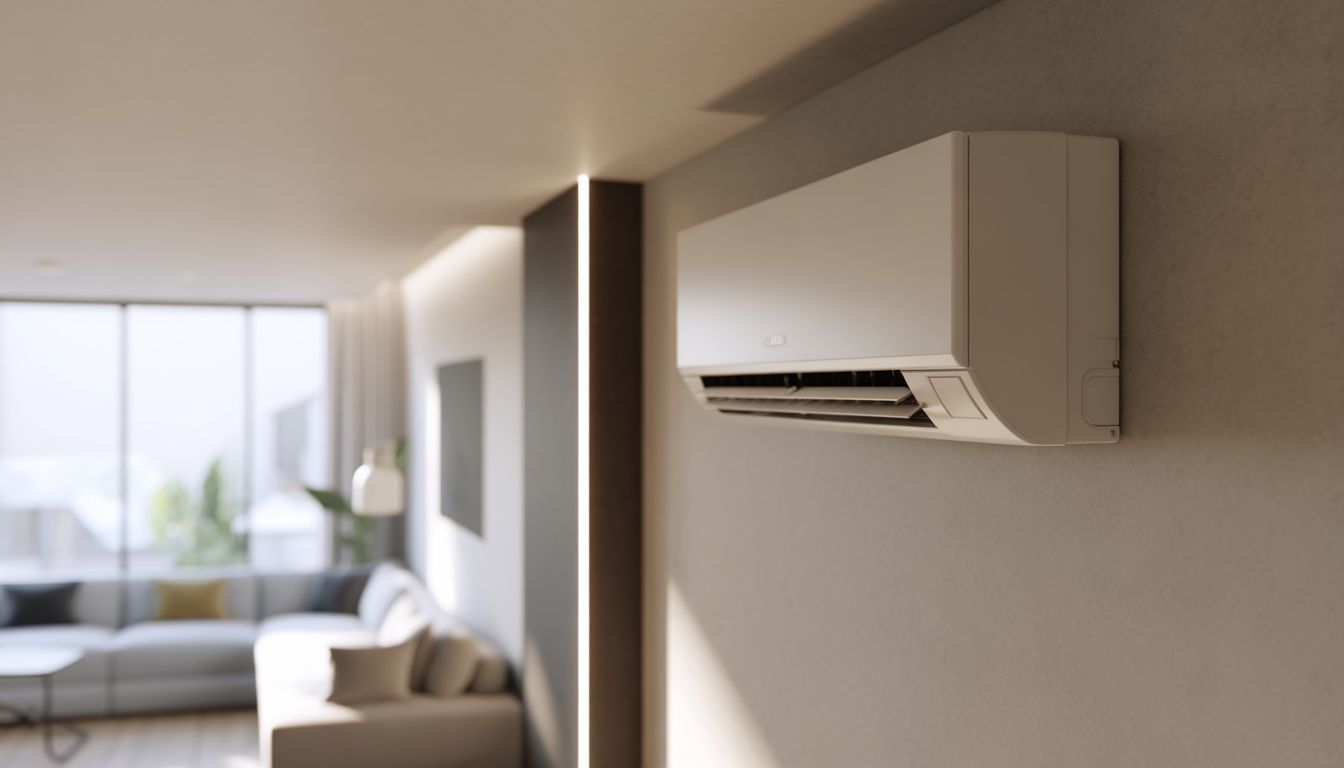
A unit described as 2.5kW is almost always telling you its cooling output, not its electricity consumption. Those are very different figures. That 2.5kW of cooling might draw only 0.6kW of electricity, because a heat pump moves heat from one place to another rather than creating it from scratch.
Multiply the cooling capacity by your unit rate and you get a running cost roughly four times higher than reality. Plenty of articles do exactly that. Look for the electrical input in the product data, sometimes listed as power input or rated input, and use that number instead.
What a night actually costs
Across eight hours, a single-room air conditioning system typically costs around 60p to £1.60 to run. In practice, it will often be nearer the lower end of that range because, once the room reaches the set temperature, the system reduces its output rather than running flat out all night.
A very hot loft room, poor insulation, or setting the temperature to 18°C when 22°C would be comfortable will increase the running cost.
To keep costs down, cool the room before going to bed, keep doors and windows closed, use sleep mode if available, and set the temperature to a comfortable level rather than simply choosing the coldest setting.
What moves the number
- Room size and ceiling height. More air to cool.
- Sun and glazing. Loft rooms and south or west facing windows gain heat quickly.
- How well the room holds temperature. Heat leaking back in makes the system work harder.
- Your setting. Asking for 18°C on a hot day costs noticeably more than holding 22°C.
- Correct sizing. A system that is too small runs flat out and never quite gets there.
- Clean filters. Blocked filters restrict airflow and quietly cost you efficiency.
- Your tariff. A fixed or off peak rate can beat the cap rate used here.
The cheapest unit is the one you generated yourself
If you already have solar panels, the sums above change in your favour.
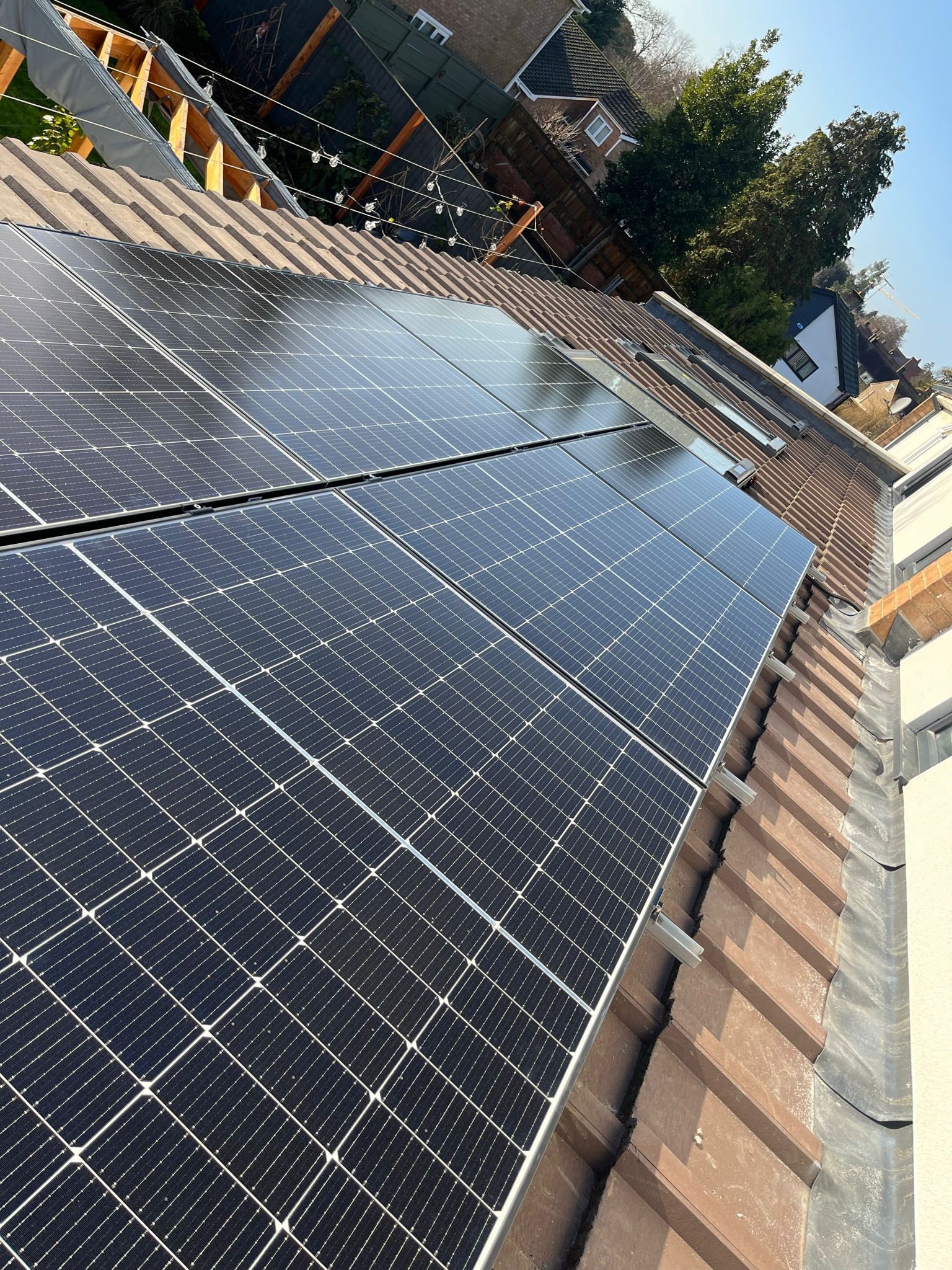
Cooling is one of the few things in a house that demands most electricity at exactly the moment a solar array is producing most, on hot, bright afternoons. Run the system on your own generation rather than the grid and a large part of that hourly cost disappears. Add battery storage and you can carry some of it into the evening, which is when a bedroom actually needs cooling.
It works the other way round too. If you have been weighing up air conditioning and had solar and battery storage somewhere on the list anyway, the two are worth costing together rather than one at a time. They make each other look better.
Is a fan cheaper? Yes
We would rather tell you now than have you work it out afterwards.
A typical fan costs somewhere around 1p to 2p an hour. Nothing installed will ever beat that. If a fan keeps you comfortable, use the fan.
The difference is what they actually do. A fan moves air across your skin, which makes you feel cooler. It does not remove any heat from the room. If the room itself is the problem, and it is still 26°C at midnight, a fan is just moving warm air around. That is the point where air conditioning is doing a different job rather than an expensive version of the same one.
The bit that changes the maths
A fitted split system is an air-to-air heat pump, so it runs in reverse in winter and heats the room. In heating mode it delivers roughly three units of heat for every unit of electricity it uses. Direct electric heating gives you one for one.
For a loft room, a home office or a bedroom the central heating never quite reaches, that makes it one of the cheapest ways to heat a single room. So you are not buying something for a few hot weeks in July, you are buying something that earns its keep in February too. We go into that properly in our guide to whether air conditioning is worth it in a UK home.
And the installation cost
Running cost is only half the question. For most homes, a professionally installed single room system costs between £1,500 and £3,000. Our Air Conditioning Cost & Installation Guide breaks down what moves that price and exactly what happens on installation day. If you would rather spread the cost, we also offer finance options on eligible installations.
Get the number for your own room
Guide figures only take you so far. What it costs to run depends on your room and the right size of system for it, and what it costs to fit depends on your house.
You can get a guide price in a couple of minutes, and we will confirm it as a fixed written quote after a free home survey. If you would rather talk it through, get in touch or call us on 01235 422888.
BlackRock Electrical installs quality air conditioning systems across Abingdon, Oxford and Oxfordshire. We are an NICEIC approved contractor and our refrigerant work is carried out by F-Gas certified engineers, so the whole job is handled by one accountable team. Get in touch to book your free home survey, or call us on 01235 422888.
Frequently Asked Questions
How much does air conditioning cost to run per hour?
A single room inverter split system typically costs around 7p to 20p an hour while cooling. The sum is electrical input in kW multiplied by your price per unit. Your system, room, setting and tariff all change the figure.
How much does air conditioning cost to run all night?
Roughly 60p to £1.60 for eight hours in one room. Often less, because an inverter system eases off once the room reaches temperature rather than running at full power all night.
Is fitted air conditioning cheaper to run than a portable unit?
Two machines drawing the same power cost the same per hour. The difference is effectiveness. A portable unit keeps the compressor in the room and needs an exhaust hose through a window, so warm air finds its way back in. A fitted system puts the compressor outside and holds a steady temperature, so it does more with the same electricity.
Is a fan cheaper to run than air conditioning?
Yes, considerably. A typical fan costs around 1p to 2p an hour. It moves air rather than removing heat from the room, so it is the cheaper answer only when the room itself is not too hot.
Can I run air conditioning on solar panels?
Yes, and it is a good match. Cooling demand peaks on hot, bright afternoons when a solar array is generating most, so a large share of the running cost can come from your own electricity rather than the grid.
Can the same system heat the room in winter?
Yes. A fitted split system is an air-to-air heat pump, so the same unit cools in summer and provides efficient room heating in winter, at roughly three units of heat per unit of electricity.
Recent Posts